Grow Your Own Chill: 3 Herbal Teas to Cool You Off This Summer
By Spenser Robinson - January 23, 2026
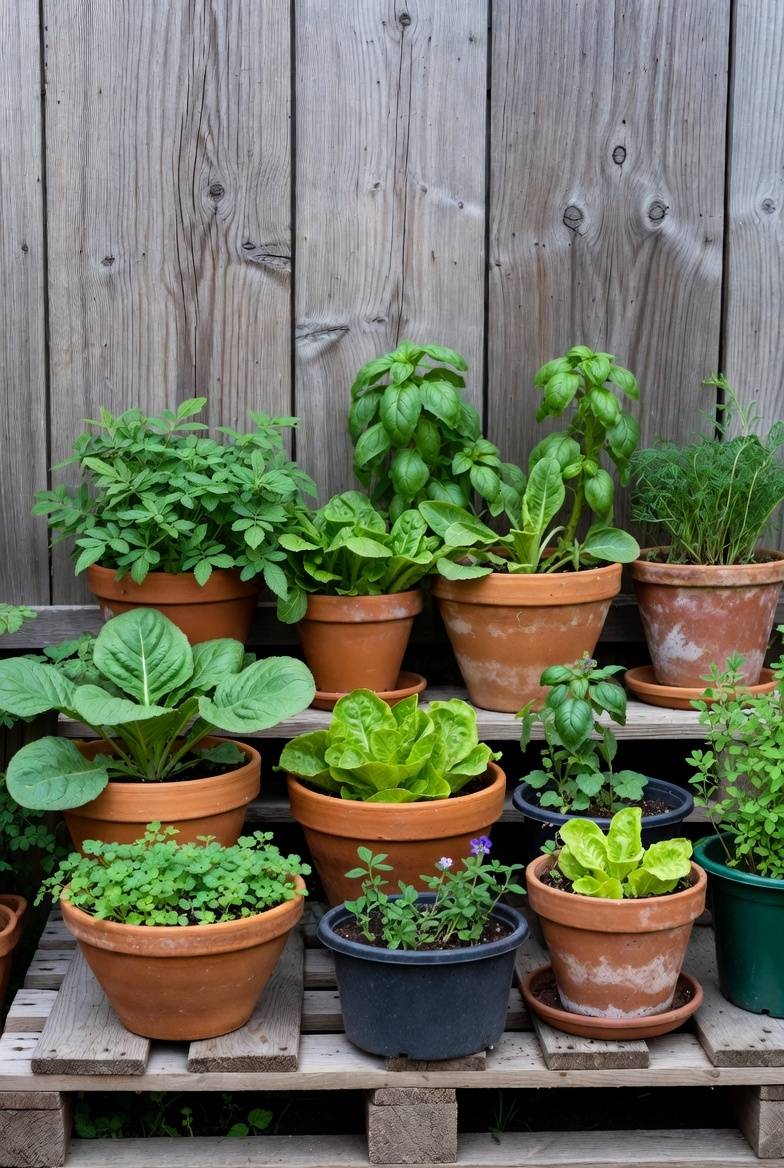
Nature's Air Conditioning in Your Garden
When summer heat becomes overwhelming, there's nothing quite like a refreshing herbal tea to cool you down from the inside out. While it might seem counterintuitive to drink hot tea in sweltering weather, many cultures have long understood that certain herbs can actually lower your body temperature and provide natural cooling relief. Growing your own cooling herbs allows you to create custom tea blends that are not only refreshing but also free from artificial additives and perfectly suited to your taste preferences. This guide will introduce you to three exceptional cooling herbs that are easy to grow and incredibly effective at beating the heat: mint, lemon balm, and chamomile.
The Science of Cooling Herbs
Cooling herbs work through several mechanisms to help your body regulate temperature. Some contain compounds like menthol that create a cooling sensation on your skin and in your mouth. Others have properties that promote sweating, which is your body's natural cooling system. Many cooling herbs also have mild diuretic effects, helping to flush excess heat from your system. Additionally, the act of drinking warm liquids can actually trigger your body's cooling response more effectively than cold drinks, which can cause your body to generate heat to warm the liquid to body temperature.
Mint: The Ultimate Summer Refresher
Growing Mint
Mint is perhaps the most recognizable cooling herb, and it's incredibly easy to grow. In fact, mint's biggest challenge is containing its enthusiastic growth. Plant mint in containers or use root barriers to prevent it from taking over your garden. Mint thrives in partial shade to full sun and prefers consistently moist soil. It's virtually indestructible and will grow in most soil conditions.
Varieties to try:
•Peppermint: Provides the strongest cooling sensation due to high menthol content
•Spearmint: Milder and sweeter, perfect for those who find peppermint too intense
•Apple mint: Offers a fruity twist with gentle cooling properties
•Chocolate mint: Adds an interesting depth while maintaining cooling benefits
Harvesting and Preparation
Harvest mint leaves in the morning after dew has dried. Cut stems just above a leaf node to encourage bushy growth. Fresh mint can be used immediately, or you can dry it for year-round use. To dry mint, bundle stems and hang in a warm, dry, well-ventilated area away from direct sunlight.
Mint Tea Recipe
For fresh mint tea, use 2-3 tablespoons of fresh leaves per cup of hot water. For dried mint, use 1 teaspoon per cup. Steep for 5-7 minutes, strain, and serve hot or pour over ice for an instant cooling drink. Add honey or lemon to taste.
Lemon Balm: Citrusy Calm and Cool
Growing Lemon Balm
Lemon balm is a member of the mint family but with a delightful lemony fragrance and flavor. Like mint, it can be aggressive, so container growing is recommended. Lemon balm prefers partial shade and well-draining soil but is quite drought-tolerant once established. It's an excellent choice for beginning gardeners as it's nearly foolproof to grow.
This herb not only provides cooling relief but also has calming properties, making it perfect for hot, stressful summer days. The citrusy scent is naturally uplifting and can help combat the lethargy that often accompanies extreme heat.
Harvesting and Preparation
Harvest lemon balm leaves before the plant flowers for the best flavor. Cut stems in the morning, and use fresh or dry for later use. Lemon balm dries well and retains much of its flavor and cooling properties.
Lemon Balm Tea Recipe
Use 2 tablespoons of fresh lemon balm leaves or 1 teaspoon of dried leaves per cup of hot water. Steep for 5-10 minutes. This tea is naturally sweet and rarely needs additional sweeteners. It's delicious hot but truly shines when served iced with a slice of fresh lemon.
Chamomile: Gentle Cooling and Relaxation
Growing Chamomile
German chamomile is an annual that self-seeds readily, while Roman chamomile is a perennial groundcover. Both varieties offer cooling properties, but German chamomile is more commonly used for tea. Chamomile prefers full sun and well-draining soil. It's drought-tolerant and actually produces more essential oils under slightly stressful conditions.
The small, daisy-like flowers are what you'll harvest for tea. Chamomile not only provides cooling relief but also promotes relaxation and can help you sleep better during hot summer nights.
Harvesting and Preparation
Harvest chamomile flowers when they're fully open, typically in the morning after dew has dried. Pick only the flower heads, leaving the stems and leaves. Fresh flowers can be used immediately, or they can be dried on screens in a warm, dry location.
Chamomile Tea Recipe
Use 1 tablespoon of fresh chamomile flowers or 1 teaspoon of dried flowers per cup of hot water. Steep for 5-10 minutes, then strain. Chamomile tea has a mild, apple-like flavor and is naturally soothing. It's excellent hot or iced and pairs well with honey.
Blending Your Cooling Teas
One of the joys of growing your own herbs is creating custom blends. Here are some cooling combinations to try:
Summer Breeze Blend: Equal parts peppermint, lemon balm, and chamomile for a perfectly balanced cooling tea.
Citrus Mint Cooler: Two parts spearmint to one part lemon balm with a few dried lemon peel pieces.
Evening Chill: Chamomile and lemon balm for a relaxing end-of-day cooler.
Serving Suggestions
Hot Tea: Drink these teas hot to trigger your body's natural cooling response. The warmth will cause you to sweat slightly, which cools you as it evaporates.
Iced Tea: Brew double-strength tea, then pour over ice for an immediate cooling drink. Add fresh fruit slices for extra flavor.
Frozen Tea Cubes: Freeze cooled tea in ice cube trays, then add to water or other beverages for gradual cooling and flavor.
Tea Popsicles: Freeze sweetened tea in popsicle molds for a refreshing treat.
Additional Growing Tips
Succession Planting: Plant new chamomile seeds every 2-3 weeks for continuous flower production throughout summer.
Companion Planting: These herbs work well together and can be planted in the same area. They also attract beneficial insects to your garden.
Container Growing: All three herbs grow excellently in containers, making them perfect for small spaces or apartment balconies.
Preservation: Dry excess herbs during peak season to enjoy cooling teas year-round.
Health Benefits Beyond Cooling
These herbs offer additional health benefits beyond their cooling properties. Mint aids digestion and can help with nausea. Lemon balm has antiviral properties and supports the nervous system. Chamomile is anti-inflammatory and supports digestive health. All three herbs are rich in antioxidants and can contribute to overall wellness.
Conclusion: Your Personal Oasis
Growing your own cooling herbs creates a personal oasis that provides relief from summer heat while connecting you to traditional cooling practices used for centuries. These three herbs—mint, lemon balm, and chamomile—are easy to grow, incredibly productive, and offer endless possibilities for creating refreshing beverages.
The satisfaction of stepping into your garden, harvesting fresh herbs, and brewing a cooling tea that you grew yourself is unmatched. It's a simple pleasure that connects you to the seasons, provides natural relief from heat, and offers a moment of calm in busy summer days.
Start with one or all three of these herbs, experiment with different combinations, and discover your perfect cooling blend. Your garden will provide not just beauty and food, but also natural air conditioning that's always available when you need it most. Embrace the ancient wisdom of cooling herbs and grow your own chill this summer.

About the author
Spenser Robinson
C & N Farms | Buy Seeds | BBM Publishing House
Lead Farmer and Product Developer

The Garden Bug | Follow us on LinkedIn