Stop the Rot: How to Use Your Cucumbers Before They Turn to Slime
By Spenser Robinson - January 2, 2026
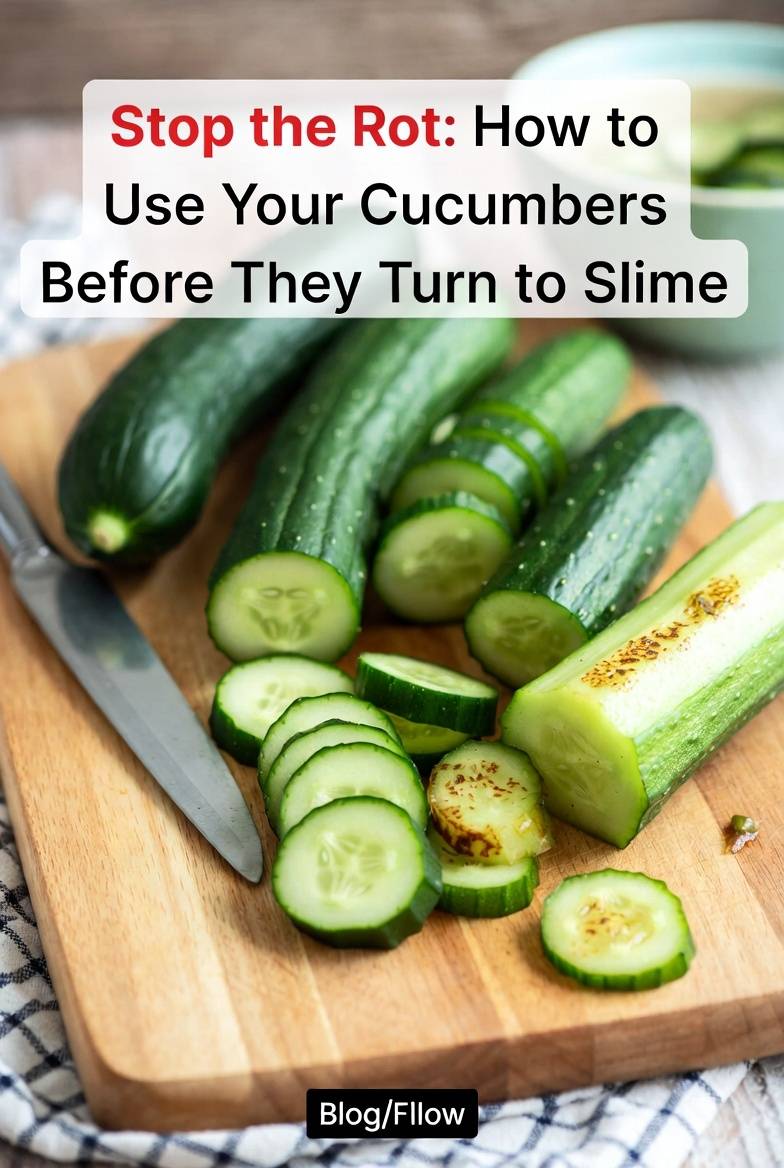
The Cucumber Conundrum
It’s a familiar story for many gardeners: one day you have a few small cucumbers, and the next, you’re drowning in them. Cucumbers are notoriously productive, and their rapid growth can quickly lead to an overwhelming harvest. If left unchecked, these crisp, refreshing vegetables can turn into yellow, seedy, and slimy disappointments. This guide will provide you with a variety of creative and delicious ways to use your cucumber bounty, ensuring that none of your hard-earned harvest goes to waste. From classic pickles to refreshing drinks and surprising cooked dishes, you’ll discover that there’s a world of cucumber possibilities beyond the simple salad. We'll delve into the best harvesting practices, explore diverse culinary applications, and cover effective preservation techniques to help you manage your cucumber glut and enjoy its fresh flavor year-round.
Harvesting for Longevity: Picking Perfect Cucumbers
To prevent your cucumbers from turning to
slime, proper harvesting is key. Pick cucumbers when they are young and firm, typically 6-8 inches long for slicing varieties, and 3-5 inches for pickling types. Overgrown cucumbers become bitter, seedy, and develop a tough skin. Check your plants daily, as cucumbers can grow surprisingly fast, especially in warm weather. Use a sharp knife or pruning shears to cut the stem just above the fruit, leaving a small piece of stem attached. This helps the cucumber last longer and prevents damage to the vine. Avoid pulling or twisting the fruit, which can damage the plant. Regular harvesting also encourages the plant to produce more, ensuring a continuous supply throughout the season.
The Art of the Pickle: A World Beyond Dill
Pickling is the classic way to preserve cucumbers, and for good reason. It’s easy, versatile, and a great way to enjoy your harvest for months to come. While dill pickles are a favorite, there are many other exciting pickling recipes to explore, each offering a unique flavor profile and texture.
Quick Pickles (Refrigerator Pickles)
Quick pickles are the easiest way to start. They don’t require canning and are ready to eat in just a few hours. Simply slice your cucumbers (or cut into spears), place them in clean jars with your desired spices (dill, garlic, peppercorns, mustard seeds, red pepper flakes for a kick), and cover with a brine. A basic brine consists of equal parts vinegar (white or apple cider) and water, with about 1 tablespoon of salt and 1 teaspoon of sugar per cup of liquid. Bring the brine to a boil, then pour it over the cucumbers. Let cool, then store them in the refrigerator for up to a month. These are perfect for a fresh, tangy crunch.
Fermented Pickles
For a more traditional and probiotic-rich pickle, try fermentation. This method uses salt and water to create a brine that encourages beneficial bacteria to preserve the cucumbers. The result is a tangy, complex-flavored pickle that’s great for your gut health. You'll need pickling cucumbers, non-chlorinated water, pickling salt, and optional spices like dill, garlic, and bay leaves. Submerge cucumbers in a salt brine (typically 1.5-2 tablespoons of salt per quart of water) and allow them to ferment at room temperature for several days to a week, depending on desired tanginess. A fermentation crock or a jar with an airlock is ideal. Once fermented, store in the refrigerator.
Bread and Butter Pickles
If you prefer a sweeter pickle, bread and butter pickles are the way to go. They’re made with a sweet and tangy brine of vinegar, sugar, and spices like turmeric, celery seed, and mustard seed, often with sliced onions. These are excellent on sandwiches or as a sweet-savory side dish. The process involves slicing cucumbers and onions, salting them to draw out water, then rinsing and packing them into jars with the cooked sweet-and-sour brine. While often canned for shelf stability, they can also be stored in the refrigerator for several weeks.
Beyond the Salad: Creative Cucumber Recipes
Cucumbers are surprisingly versatile in the kitchen. Their mild flavor and crisp texture make them a great addition to a wide range of dishes, both raw and cooked.
Cucumber Soups
On a hot summer day, nothing is more refreshing than a chilled cucumber soup. Gazpacho-style cucumber soups blend fresh cucumbers with yogurt or buttermilk, fresh herbs like mint or dill, a touch of garlic, and a squeeze of lemon for a quick and elegant meal. For a heartier option, try a creamy cucumber and avocado soup, which offers a rich texture and healthy fats. These soups are no-cook and perfect for using up a large quantity of cucumbers quickly.
Cooked Cucumbers
Yes, you can cook cucumbers! When cooked, they develop a mild, slightly sweet flavor and a tender texture, similar to zucchini. They can be sautéed, stir-fried, or even roasted. Try adding them to stir-fries with other vegetables, or sauté them with a little butter and fresh dill for a simple, unexpected side dish. They also work well in curries or light stews, absorbing the flavors of the other ingredients.
Cucumber Noodles and Ribbons
Use a spiralizer or a vegetable peeler to turn your cucumbers into noodles or ribbons. These are fantastic for a light and healthy alternative to pasta. Toss them with your favorite pesto, a light vinaigrette, or a peanut sauce. Add some grilled chicken or shrimp for a complete meal. Cucumber noodles are also excellent in cold Asian-inspired salads, providing a refreshing crunch.
Refreshing Cucumber Drinks
Cucumbers are a fantastic addition to summer beverages, adding a cool, refreshing flavor and a touch of elegance.
Cucumber Water
Simply add thin cucumber slices to a pitcher of water for a spa-worthy drink that will keep you hydrated and refreshed. For extra flavor, add mint leaves, lemon slices, or ginger. This is a simple yet effective way to encourage more water consumption.
Cucumber Coolers and Cocktails
Blend cucumbers with lime juice, mint, and a little sweetener (like agave or simple syrup) for a refreshing non-alcoholic cooler. Strain for a smoother drink, or leave pulpy for more texture. For an adult beverage, add a splash of gin, vodka, or tequila for a sophisticated summer cocktail. Cucumber margaritas or gin and tonics are particularly popular.
Cucumber Smoothies
Add a few chunks of cucumber to your favorite green smoothie for extra hydration, a cool, crisp flavor, and a boost of vitamins. They blend seamlessly with spinach, kale, apples, and ginger, making your smoothie even more refreshing and nutritious.
Preserving the Harvest: Freezing and Dehydrating
If you’re still overwhelmed with cucumbers after making pickles and fresh dishes, consider these long-term preservation methods to enjoy your harvest beyond the summer.
Freezing Cucumbers
While freezing changes the texture of cucumbers, making them less suitable for fresh salads, they can be frozen for use in soups, smoothies, and drinks. Puree cucumbers and freeze the puree in ice cube trays or freezer bags. These cubes can be added directly to smoothies or thawed for use in cold soups. You can also freeze cucumber slices for use in infused water or for making cold compresses for tired eyes.
Dehydrating Cucumbers
Dehydrated cucumber slices make a surprisingly tasty and healthy snack. Slice them thin, sprinkle with a little salt and dill or other herbs, and dehydrate until crisp. They can be eaten as chips or rehydrated for use in cooked dishes. Dehydrated cucumber can also be ground into a powder and used as a seasoning for dips, dressings, or even sprinkled on popcorn for a unique flavor.
Conclusion: From Glut to Gourmet
An overabundance of cucumbers doesn’t have to be a problem. With a little creativity and a willingness to explore new culinary avenues, you can transform your harvest into a variety of delicious and refreshing dishes, drinks, and preserved goods. By embracing the world of pickling, experimenting with cooked cucumber recipes, and utilizing effective preservation techniques, you can ensure that every cucumber you grow is enjoyed to its fullest. This not only reduces food waste but also expands your culinary repertoire and provides immense satisfaction from your gardening efforts. So, the next time you find yourself with a mountain of cucumbers, don’t despair—get creative and turn your glut into a gourmet delight that will impress your palate and your guests.

About the author
Spenser Robinson
C & N Farms | Buy Seeds | BBM Publishing House
Lead Farmer and Product Developer

The Garden Bug | Follow us on LinkedIn