Sunburnt Tomatoes & Other August Garden Disasters (And How to Fix Them)
By Spenser Robinson - August 14, 2026
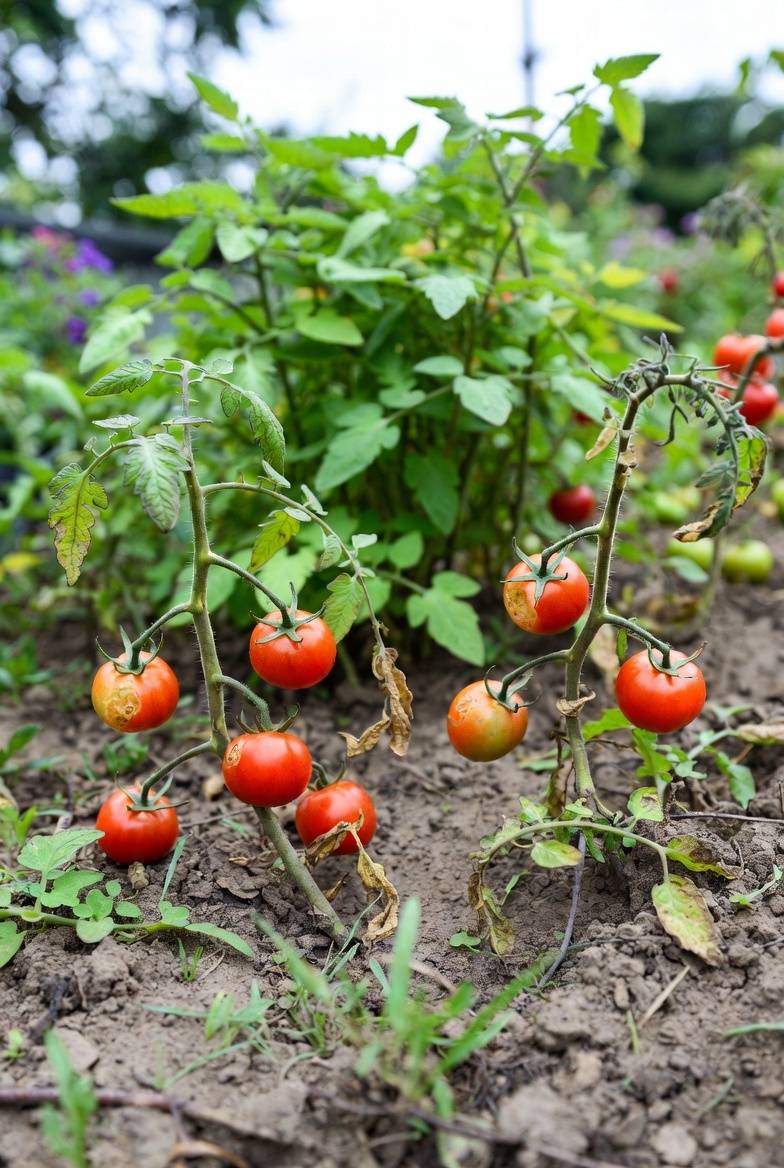
August can be the cruelest month for gardeners. Just when you're expecting to harvest the fruits of your labor, your garden seems to turn against you. Tomatoes develop unsightly white patches, leaves wilt despite adequate watering, and plants that were thriving just weeks ago suddenly look distressed. Don't panic—these August garden disasters are common, predictable, and most importantly, fixable. Understanding what's happening and why can help you rescue your current crops and prevent problems in future seasons.
Sunburnt Tomatoes: The White Patch Problem
What You're Seeing
Sunscald appears as white, papery patches on the shoulders and sides of tomatoes, particularly those facing south or west. The affected areas may eventually turn brown and become sunken, making the fruit unmarketable but often still edible if you cut away the damaged portions.
Why It Happens
Sunscald occurs when tomatoes are suddenly exposed to intense sunlight after being shaded by foliage. This often happens when gardeners prune heavily in late summer or when disease causes rapid defoliation. The fruit's skin literally gets sunburned, just like human skin exposed to too much UV radiation.
The Fix
Immediate action: Create shade using row covers, shade cloth (30-50% shade), or even old bedsheets during the hottest part of the day (10 AM to 4 PM). Position these covers to block western sun while allowing morning light.
Long-term prevention: Maintain adequate foliage cover by avoiding excessive pruning in summer. If you must prune, do it gradually over several weeks. Choose tomato varieties with good leaf cover, and consider indeterminate varieties that naturally produce more foliage.
Harvest strategy: Pick tomatoes at the first blush of color and let them ripen indoors to prevent further sun damage.
Blossom End Rot: The Black Bottom Blues
What You're Seeing
Dark, sunken spots on the bottom (blossom end) of tomatoes, peppers, and squash. The spots start small but can eventually cover the entire bottom of the fruit, making it inedible.
Why It Happens
Despite appearances, this isn't a disease—it's a calcium deficiency caused by inconsistent watering. When soil moisture fluctuates dramatically, plants can't absorb calcium properly, even if there's plenty in the soil.
The Fix
Water management: Establish a consistent watering schedule. Soil should be evenly moist but not waterlogged. Use drip irrigation or soaker hoses for consistent moisture delivery.
Mulching: Apply 3-4 inches of organic mulch around plants to maintain soil moisture and temperature.
Calcium supplementation: While the soil likely has adequate calcium, you can add gypsum (calcium sulfate) to improve calcium availability without altering soil pH.
Container gardens: Ensure containers have adequate drainage while maintaining consistent moisture—a challenging balance that may require daily watering in hot weather.
Wilting Despite Wet Soil: The Root of the Problem
What You're Seeing
Plants that wilt during the day despite having moist soil, or plants that never seem to recover from wilting even after watering.
Why It Happens
This usually indicates root problems—either root rot from overwatering or root damage from pests like root-knot nematodes. Compacted soil can also prevent roots from accessing water efficiently.
The Fix
Improve drainage: If soil stays soggy, create raised beds or add organic matter to improve drainage. Consider installing drainage tiles in persistently wet areas.
Check for pests: Gently dig around affected plants to examine roots. Healthy roots should be white or light-colored. Dark, mushy roots indicate rot, while galls or knots suggest nematode damage.
Soil aeration: Use a broadfork or garden fork to gently loosen compacted soil around plants without disturbing roots.
Adjust watering: Water deeply but less frequently to encourage deep root growth. Morning watering allows plants to absorb moisture before heat stress begins.
Leaf Scorch and Yellowing: Heat Stress Signals
What You're Seeing
Leaves with brown, crispy edges, yellowing from the bottom up, or overall pale, washed-out appearance.
Why It Happens
Extreme heat causes plants to lose water faster than they can absorb it, leading to cellular damage. Reflected heat from pavement, walls, or mulch can intensify the problem.
The Fix
Temporary shade: Use shade cloth, umbrellas, or temporary structures during heat waves. Even 30% shade can significantly reduce plant stress.
Reflective mulch: Replace dark mulch with light-colored materials like straw or shredded leaves to reduce soil temperature.
Foliar feeding: Apply diluted liquid fertilizer to leaves in early morning or evening when temperatures are cooler.
Strategic placement: For future plantings, position heat-sensitive crops where they'll receive morning sun but afternoon shade.
Cracking and Splitting: When Success Becomes Failure
What You're Seeing
Tomatoes and other fruits that split open just as they're reaching maturity, often in concentric circles around the stem or in radial lines from stem to bottom.
Why It Happens
Irregular watering causes fruit to expand rapidly when water becomes available after a dry period. The skin can't stretch fast enough to accommodate the swelling interior.
The Fix
Consistent moisture: Maintain even soil moisture through regular watering and mulching.
Harvest timing: Pick tomatoes at first color change and ripen them indoors to prevent field cracking.
Variety selection: Choose crack-resistant varieties for future seasons, especially if this is a recurring problem.
Calcium management: Adequate calcium helps maintain cell wall strength, reducing splitting tendency.
Prevention Strategies for Next Year
Soil preparation: Build organic matter into soil during fall and spring to improve water retention and drainage.
Variety selection: Choose heat-tolerant, disease-resistant varieties suited to your climate.
Irrigation planning: Install drip irrigation or soaker hoses for consistent water delivery.
Succession planting: Plant heat-sensitive crops earlier in the season or plan for fall plantings.
Microclimate management: Use companion planting, trellises, and strategic placement to create favorable growing conditions.
Emergency Harvest and Preservation
When disaster strikes, salvage what you can:
Green tomato harvest: Pick green tomatoes before plants fail completely. Many will ripen indoors, and green tomatoes are excellent for cooking.
Partial fruit use: Cut away damaged portions of sunscalded or cracked fruits—the rest is often perfectly good.
Preservation methods: Process damaged but edible produce immediately into sauces, salsas, or frozen preparations.
Seed saving: If fruits are mature enough, save seeds from your best-performing plants for next year.
The Silver Lining
August garden disasters, while frustrating, provide valuable learning opportunities. Each problem teaches you something about your garden's unique conditions and challenges. Keep detailed records of what went wrong, when it happened, and what solutions worked. This information becomes invaluable for preventing future problems and improving your gardening success.
Resilience in the Garden
August garden disasters are part of the gardening journey, not a reflection of your skills as a gardener. Even experienced gardeners face these challenges, and the key is learning to respond quickly and effectively. Your plants are more resilient than you might think, and with prompt action, many can recover and still provide a worthwhile harvest.
Remember that gardening is a long-term relationship with your land and plants. Each season teaches you something new, and each challenge overcome makes you a better gardener. Don't let August setbacks discourage you—instead, use them as stepping stones to future success. Your garden will thank you for the attention and care, and next year's harvest will benefit from this year's hard-learned lessons.

About the author
Spenser Robinson
C & N Farms | Buy Seeds | BBM Publishing House
Lead Farmer and Product Developer